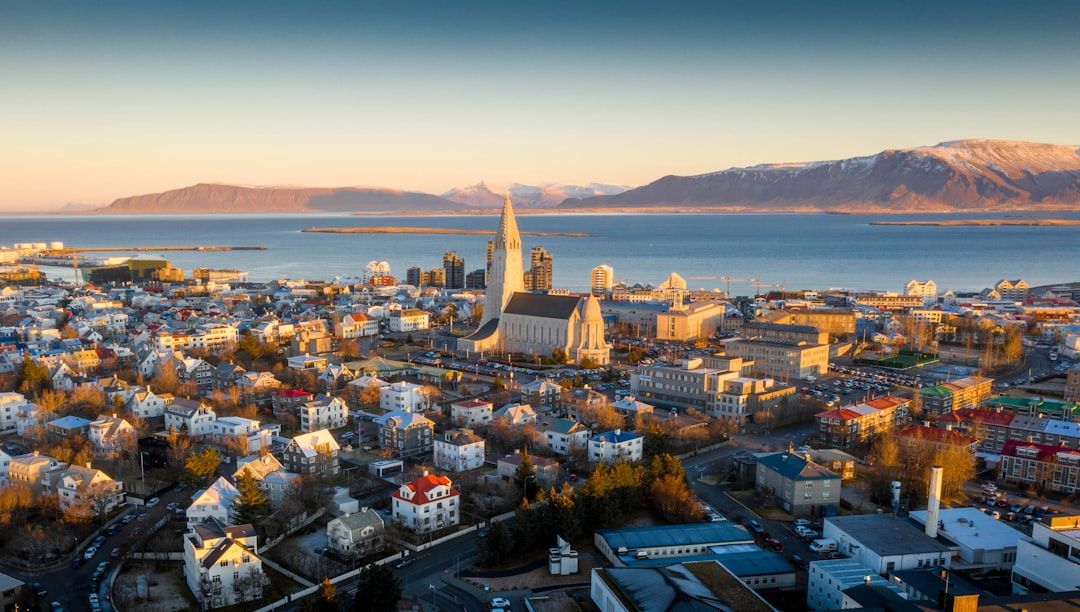
Iceland is expensive, and knowing where it is expensive matters more than knowing that it is. Roughly three quarters of a typical trip's cost sits in two categories.
The two big ones
| Item | Typical |
|---|---|
| Car hire, per day | €60–150 |
| Fuel, Ring Road | €180–250 |
| Restaurant main | €30–45 |
| Beer | €10–13 |
| Guesthouse double | €120–200 |
Car and food together usually exceed accommodation. That is where the savings are.
Cook
Bónus and Krónan supermarkets cost a fraction of restaurants and a fraction of the convenience shops at petrol stations, where many road-trippers end up buying dinner.
Stock up in Reykjavík before setting out. Rural options are limited and considerably more expensive.
Guesthouses with kitchens are the standard Icelandic accommodation, and this is why.
Two meals cooked and one eaten out per day roughly halves the food budget.
Tap water is excellent. Buying bottled water in Iceland is money set on fire. The hot tap smells of sulphur; the cold one does not.
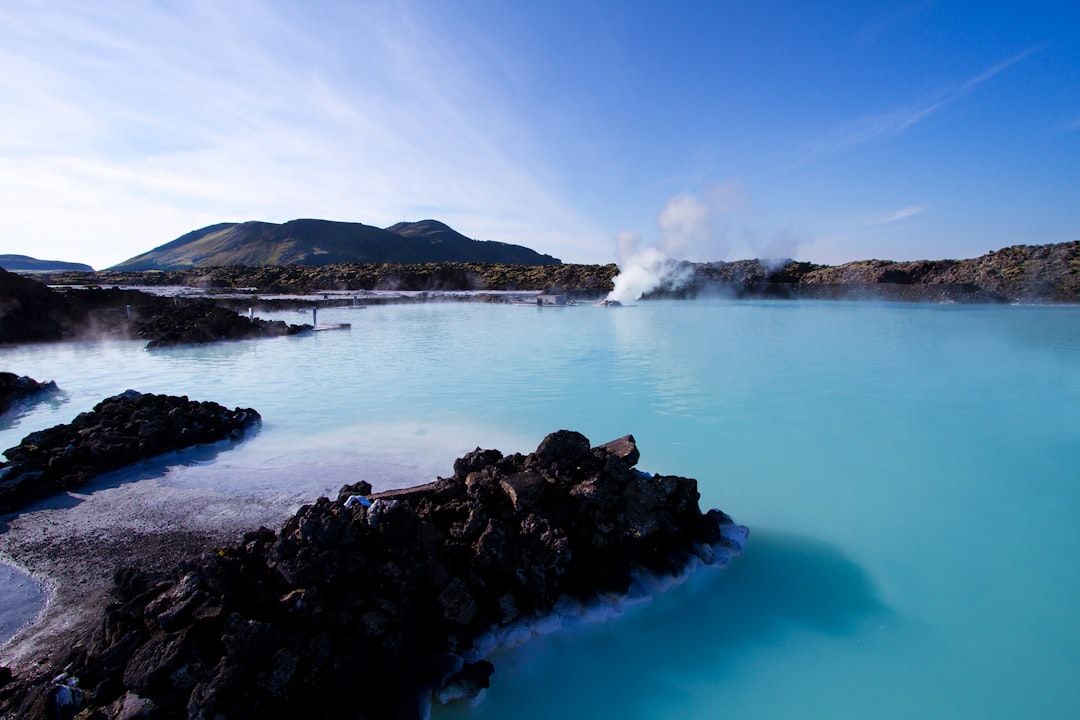
The Blue Lagoon question
It is expensive, pre-booked, and heavily engineered.
The alternatives:
Municipal swimming pools. Every town has one, entry is a few euros, and they are geothermally heated with hot tubs at varying temperatures. This is where Icelanders actually go — it is the social centre of Icelandic life, the place people meet and argue and catch up.
The Secret Lagoon at Flúðir, and Mývatn Nature Baths in the north — both a fraction of the price and less crowded.
Reykjadalur, a hot river you walk to and sit in, free.
Shower naked and thoroughly before entering any Icelandic pool. This is mandatory, monitored, and non-negotiable.
What is free
Almost all the waterfalls — Seljalandsfoss, Skógafoss, Gullfoss, Goðafoss, Dettifoss. Some now charge modest parking fees, which is a recent change.
Þingvellir, where the tectonic plates separate, with a parking fee.
Reynisfjara's black sand beach, the Jökulsárlón lagoon viewpoint and the Diamond Beach opposite.
Geysir, the geothermal field.
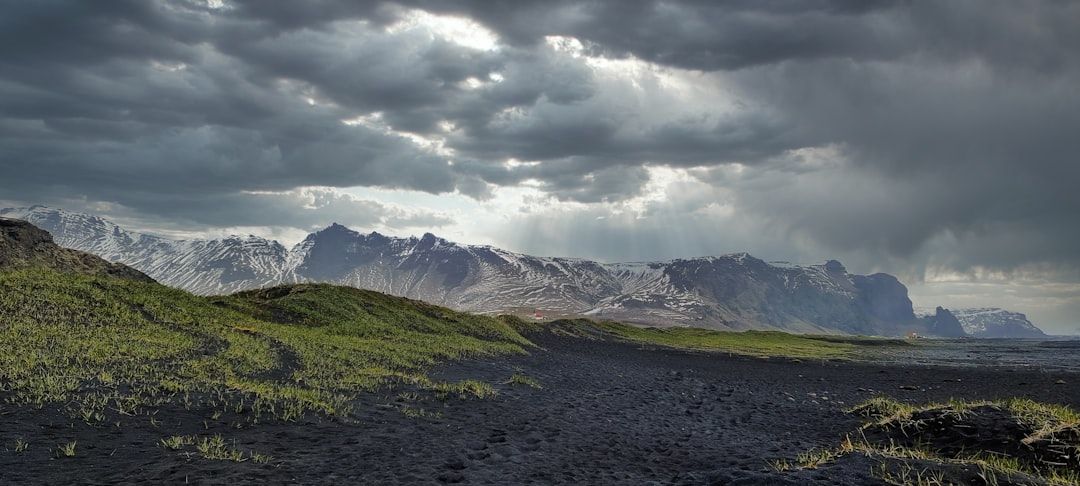
The entire landscape, essentially. Iceland's attraction is not ticketed.
Which tours are unavoidable
Glacier walking and ice caves — genuinely dangerous unguided, and this is not a commercial claim. Crevasses are not visible from the surface.
Highland F-road excursions if you have not rented a 4x4.
Whale watching, from Reykjavík, Akureyri or Húsavík.
Aurora hunting is not, if you have a car — drive away from town lights and check the forecast on vedur.is yourself.
The car decisions
Book early; Icelandic rental prices rise steeply with demand.
Take the sand and ash waiver on the south coast. It is a real and expensive risk.
Hold the door. Icelandic wind rips car doors off hinges, and it is one of the most common rental claims. Insurance frequently excludes it.
Skip the 4x4 unless you are going into the highlands. The Ring Road and south coast are paved.
Season
September to May costs substantially less than June to August, and the aurora is only visible in the dark months.
The trade-off is daylight — four to five hours in December — and unpredictable road conditions.