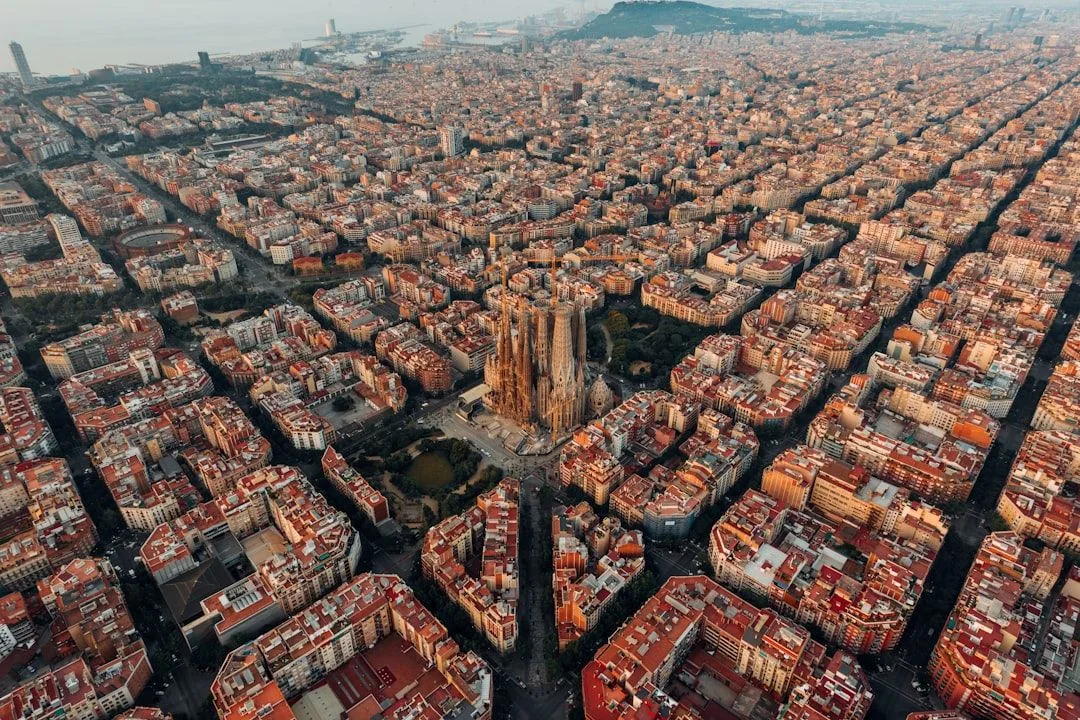
Spanish winter splits the country in two. The south stays mild and open; the north and the interior are genuinely cold. Prices fall almost everywhere, and the Canaries move the other way.
Where winter works
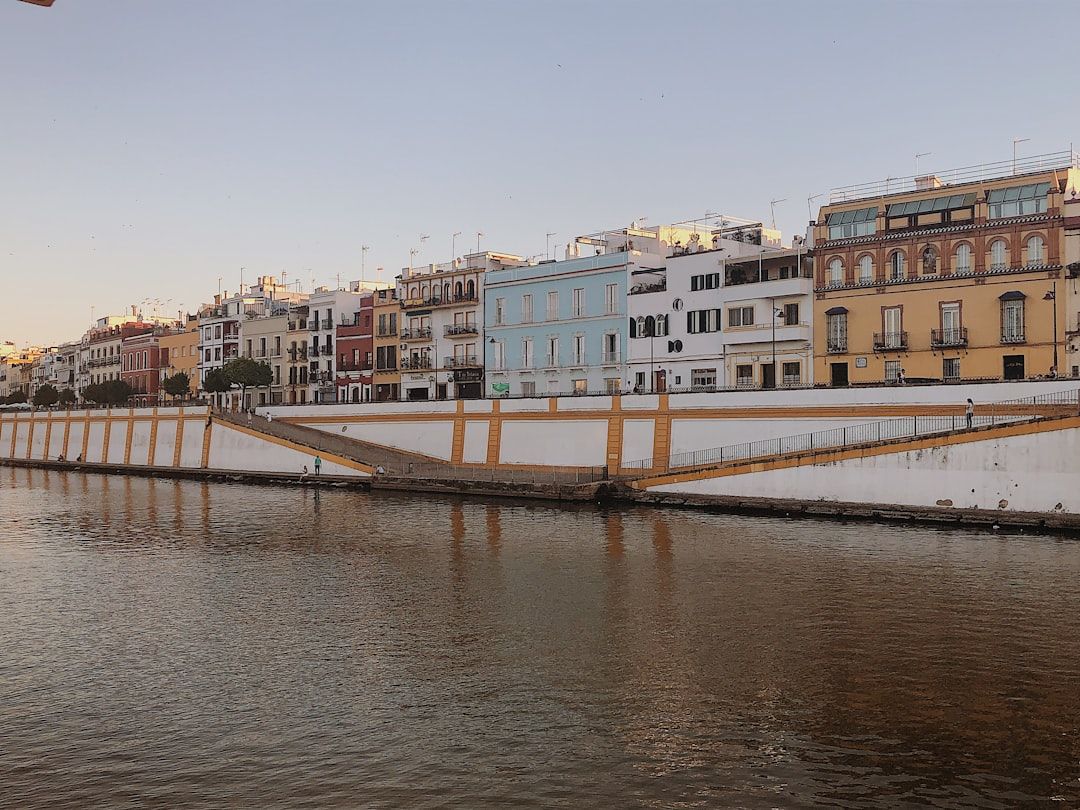
Andalusia. Seville, Córdoba, Granada, Málaga, Cádiz at 15–19°C in the day.
This is when these cities are best. Seville in August exceeds 40°C and is difficult; in January it is a pleasant walking city with short queues at the Alcázar and the cathedral, and accommodation at a fraction of Semana Santa or Feria prices.
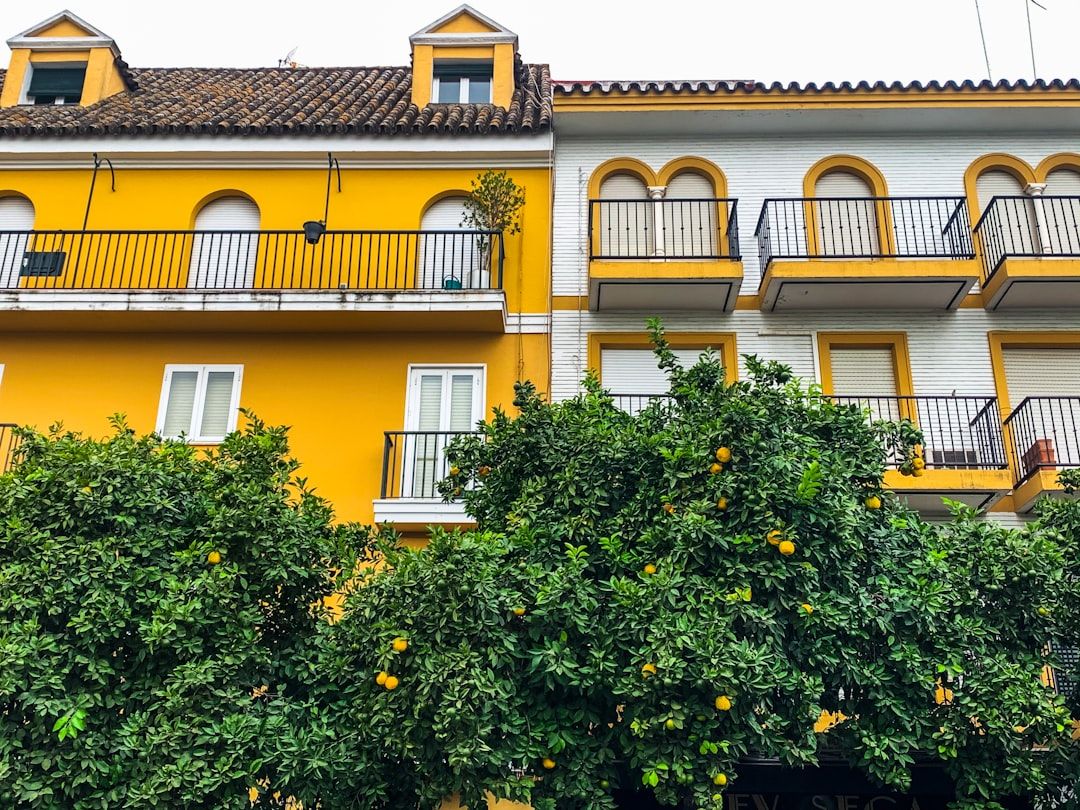
The orange trees are in fruit, which is a small thing and a lovely one.
The Canary Islands. 20–24°C year round. This is their high season and prices rise — the exception to everything else in this article.
Valencia and Alicante, mild, and the cities function normally even when the beach resorts around them do not.
Where it does not
The northern coast — Galicia, Asturias, Cantabria, Basque Country. Wet and cold. The cities work; the coast does not.
The central plateau. Madrid, Burgos, Segovia, Salamanca have hard winters, and Castile drops below freezing. Madrid is still excellent in winter, but pack for it — people assume Spain and arrive underdressed.
The Mediterranean coast and the Balearics. Resort hotels, beach restaurants and seasonal businesses shut from roughly November to March. Not quiet — closed.
The price difference
| Where | Winter change |
|---|---|
| Mediterranean coast | −40 to −60% (much closed) |
| Andalusian cities | −25 to −40% |
| Madrid, Barcelona | −20 to −35% |
| Northern cities | −25 to −40% |
| Canary Islands | +20 to +40% |
Excluding Christmas and New Year, which price like summer.
The winter trip that works
Seville, Córdoba and Granada by high-speed rail, ten days, in January or February.
The Alhambra still needs booking weeks ahead — it does not empty in winter — but everything else is walk-in. The Mezquita, the Alcázar, the Albaicín.
Granada's free tapas make winter evenings there cost almost nothing, and the Sierra Nevada is visible in snow from the city.
Add Cádiz and the Atlantic coast, or Ronda and the white villages with a car.
Winter events
Three Kings, 6 January, which is the main gift-giving day in Spain, with parades the evening before in every town.
Carnival in February, with Cádiz and Tenerife holding the largest celebrations in the country.
Semana Santa, the week before Easter, which is extraordinary in Seville and Málaga — and prices there triple and accommodation books a year ahead. It is the opposite of an off-season trip.
Practical
Heating is inconsistent in older Spanish buildings, particularly in the south where winter is short. A cold apartment in Seville in January is a common complaint — check that accommodation has heating rather than assuming it.
Shorter hours at some sites, closing at 5 or 6pm rather than 8.
The sea is cold everywhere on the mainland. Swimming is a Canaries proposition.