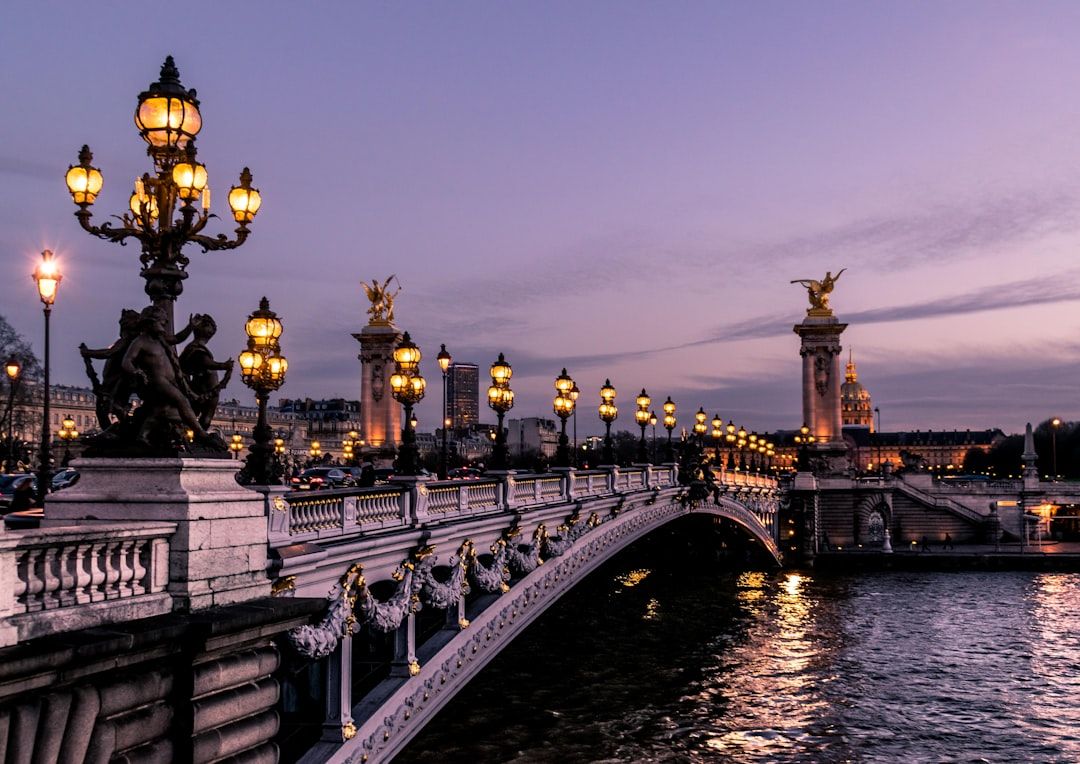
The price difference between European travel in August and in November is larger than most people expect, and for a substantial class of destination the off-season trip is simply better.
What actually changes
| Cost | Off-season change |
|---|---|
| Accommodation | −30 to −50% |
| Guided tours | −30 to −50%, smaller groups |
| Flights | Substantially lower outside school holidays |
| Car hire | −20 to −40% |
| Attraction entry | Usually unchanged |
The cheapest weeks are broadly mid-January to late February. Late October and early April are shoulder periods that keep most of the saving with better weather.
Where off-season is better, not just cheaper
The art cities. Rome, Florence, Vienna, Madrid, Amsterdam. The museums are the reason to go and in winter you can actually see them — the Uffizi without a queue is a different museum.
The hot southern cities. Seville in November is a pleasant 20°C; in August it exceeds 40 and locals leave. Same for Córdoba, Athens and Palermo.
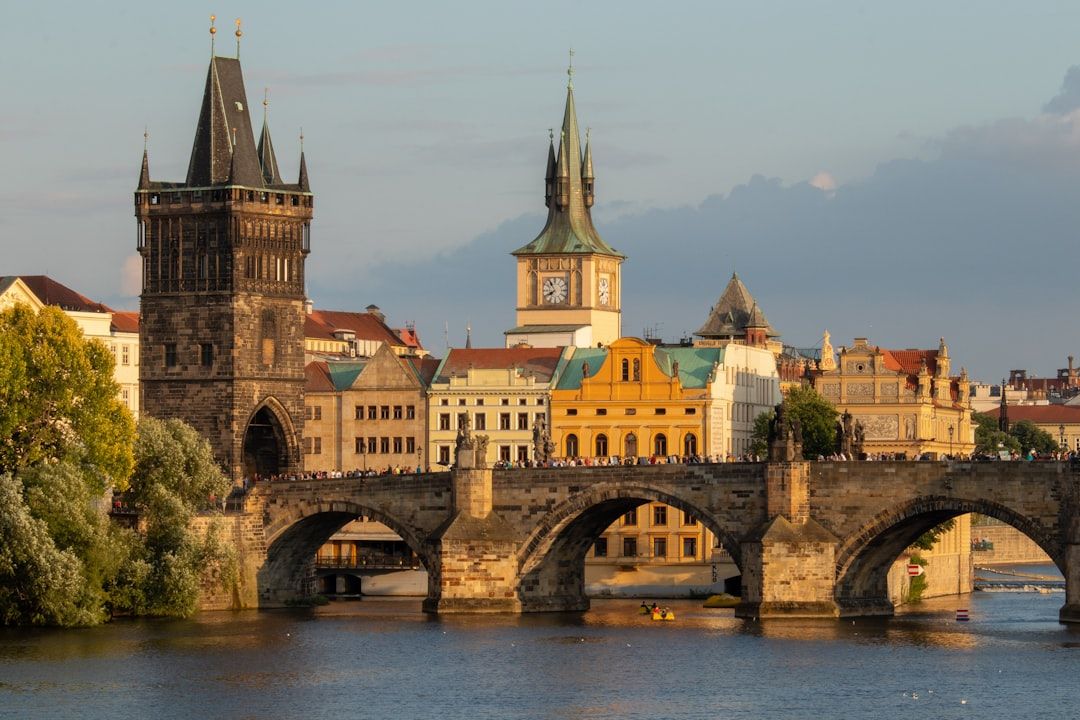
Northern capitals at Christmas. Vienna, Prague, Tallinn, Strasbourg — the markets are the point and the cold is part of it.
Iceland and the Nordics in winter, for the aurora and the light.
Where it closes
Coasts and islands. The Greek islands, the Croatian islands, the Amalfi coast, much of the Algarve. Between October and April ferries reduce, hotels close and restaurants are seasonal. This is not a quiet version of the same place — it is a shut one.
Mountain shoulder gaps. Late autumn and late spring, when the lifts stop and the hiking season has not started. The Alps in November are genuinely closed.
Rural France, Italy and Spain, where small restaurants close for extended periods.
The tour side
The same tour with the same guide runs 30–50% cheaper, with eight people instead of thirty.
Some tours do not run at all below a minimum group size, so check the departure guarantee — a cancelled tour two days out is the main off-season risk.
Multi-day tours and cruises discount hardest, because their fixed costs are largest.
Practical off-season planning
Check opening hours, not just opening. Many European sites run reduced winter hours, closing at 4pm rather than 7pm, which shortens the sightseeing day considerably alongside the shorter daylight.
Avoid Christmas and New Year, which price like high season.
Check school holidays in the origin country — February half-term spikes prices across ski and city destinations.
Book flexible accommodation. Weather is more variable and the cheap rate often comes with a non-refundable condition worth avoiding in winter.
The maths
A week in Rome in August against the same week in February commonly differs by €400–700 per person on accommodation and flights alone — before the shorter queues, the smaller tour groups and the better restaurant availability.
For anyone whose dates are flexible, that is the largest single saving available in European travel.