Budget travel writing is usually a hundred small tips. In practice four decisions account for almost the entire difference between a cheap European trip and an expensive one.
1. When you go
The largest single lever, and the one people treat as fixed.
Accommodation drops 30–50% between August and November. Flights fall substantially outside school holidays. Tours run 30–50% lower with smaller groups.
Shifting a trip by six weeks frequently saves more than every other tactic combined.
Cheapest weeks: mid-January to late February, excluding Christmas and New Year.
2. Which country
| Tier | Countries | Daily budget |
|---|---|---|
| Cheap | Poland, Romania, Bulgaria, Hungary, Albania, N. Macedonia | €40–55 |
| Middle | Portugal, Greece, inland Spain, Czechia, Croatia off-coast | €60–85 |
| Expensive | France, Italy, Germany, Netherlands | €90–130 |
| Very expensive | Switzerland, Norway, Iceland, Denmark | €140–200 |
The gap between the top and bottom row is a factor of three for a comparable standard of trip.
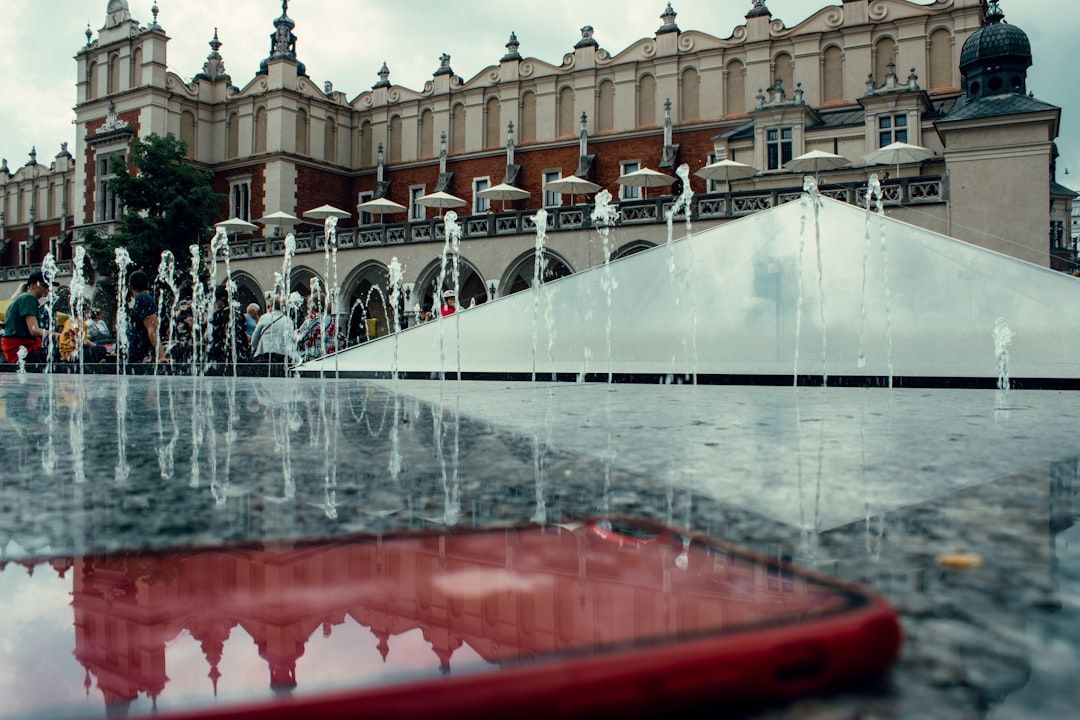
Kraków, Ljubljana, Porto, Thessaloniki, Tirana — all genuinely good cities at the cheap end.
3. How you move
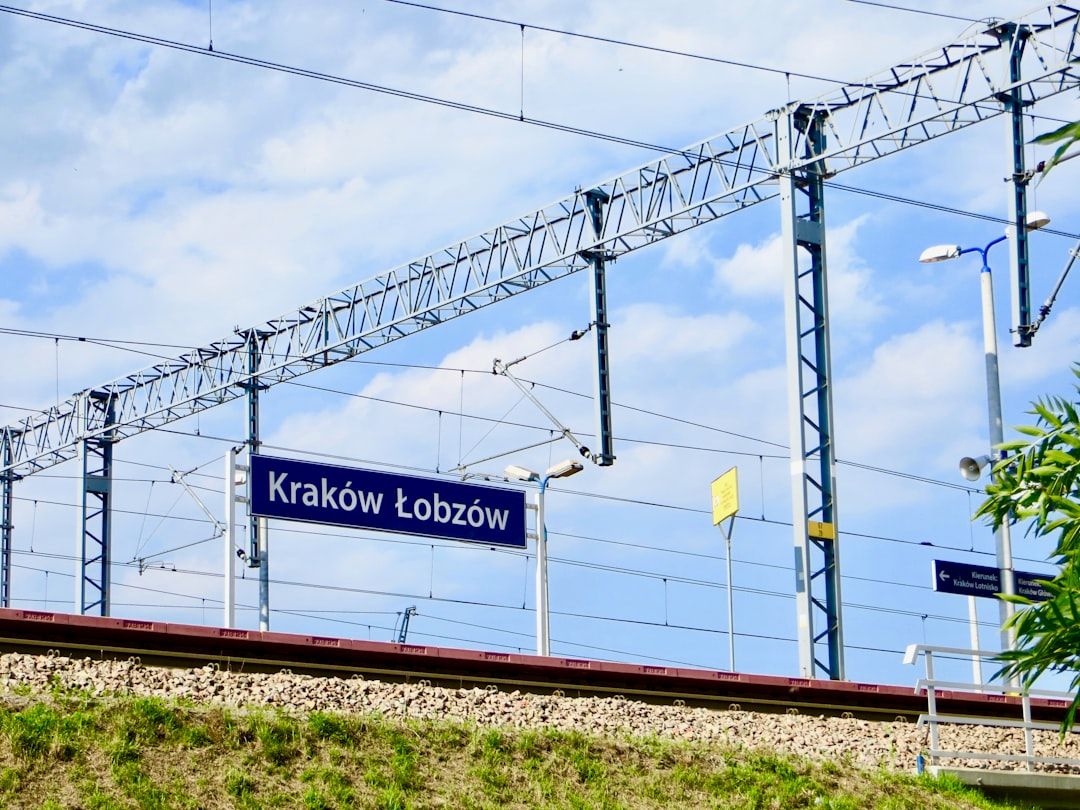
Overnight trains replace a transfer day and a hotel night. A couchette between major cities runs €40–90. The network has expanded again with Nightjet and several new operators.
Buses — FlixBus and national operators — cost a fraction of trains for the same journey plus a few hours.
Advance rail fares booked three to eight weeks out are commonly a third of the walk-up price across France, Spain, Italy and Germany. This is a large and widely missed saving.
Regional airports instead of routing through a capital — the transfer, the city crossing and the onward train frequently cost more than the fare difference.
BlaBlaCar ridesharing, widely used in France, Spain, Germany and Poland.
4. Where and when you eat
The biggest avoidable expense in European travel is dinner near a major sight.
Most European countries have a fixed-price weekday lunch — the menú del día in Spain at €12–16, the formule midi in France, the pranzo di lavoro in Italy. Three courses for roughly half the evening price of the same food.
Eat two streets from the sight. The price drops by a third for the same meal.
Markets — every European city has one, and lunch from a market stall costs €5–8.
Avoid anywhere with photographs on the menu, a person outside inviting you in, or a menu in six languages.
What matters less than people think
Hostel versus guesthouse. For two people, a small guesthouse or pensión room frequently costs less than two dorm beds and is considerably better.
City cards. They pay off at three or four included sites and lose below that. Count first.
Free walking tours. Genuinely good value, and budget €10–15 per person in tips — the model is that the guide is paid by you.
A realistic figure
Poland, Romania or Albania, off-season, cooking some meals, travelling by bus and train booked ahead: €45–55 a day including accommodation.
The same trip in Italy in August: €130–160.
Same person, same standard. The four decisions did that.